

Last week, I was talking to a friend who just quit her corporate job. She has this amazing idea for a sustainable clothing brand and she’s buzzing with excitement. “I’m going to start tomorrow!” she said. I could see myself in her, that rush of inspiration when you know you’ve found something special.
But then I remembered my own story. Eight years ago, I had gave up my safe corporate job to become a life coach. For the first one year I only had 3 paying clients.
Here’s the thing that nobody tells you: having a great idea is just the beginning. Nearly 20% of startups fail within their first two years, and 45% don’t make it past the five-year mark. I used to think this was because people weren’t trying hard enough. Now I know better.
Great Idea + No Validation = Failed Business
If you are like me and you’ve got that idea burning inside you, there’s something we need to talk about. What you do next will determine whether your concept becomes a success story or joins the statistics of those that didn’t survive. Most businesses fail because they offer products or services that customers simply don’t want or aren’t willing to pay for.
This is exactly why I learned about market research the hard way. The Mom’s Test approach changed everything for me – it helped me gather honest feedback about my concepts in simple, straightforward ways.
Here’s what we’ll cover together: how to test your idea before you build anything, the essential planning steps that actually matter, and practical ways to start selling your product or service. No business school required.
Let’s make sure your idea becomes one of the success stories.
Validate Your Idea Before You Build
“A startup is a company designed to grow fast. Being newly founded does not in itself make a company a startup. Nor is it necessary for a startup to work on technology, take venture funding, or have some sort of ‘exit.’ The only essential thing is growth.” — Paul Graham, Co-Founder of Y Combinator, influential startup investor and essayist
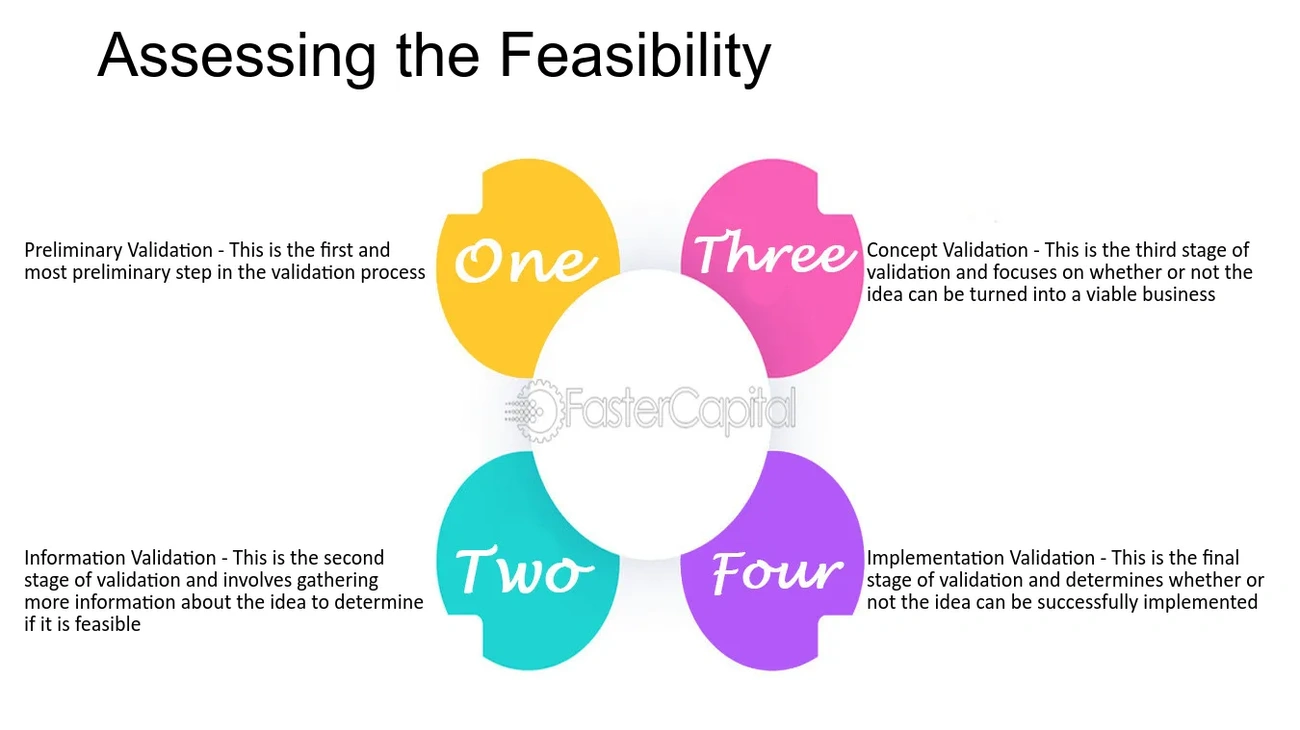
Picture this: you spend months building something, launch it with excitement, and then… crickets. Nobody buys it.
This is exactly what happens when entrepreneurs create solutions for problems that aren’t actually important to customers. The number one reason businesses fail is misreading market demand. I know it sounds obvious, but we all want to skip this part and jump straight to building.
Here’s the uncomfortable truth: your friends and family will lie to you about your idea. They love you, so they’ll say “That sounds amazing!” even when they have no intention of buying it.
This is where The Mom Test comes in. It’s called this because it helps you ask questions that even your mom can’t lie to you about. Instead of asking “Do you think my idea is good?” try this approach:
- Talk about their life instead of your idea
- Ask about specifics in the past rather than hypotheticals
- Listen more than you talk
Here’s what I mean: don’t ask “Would you use an app that tracks your spending?” Instead ask “How do you currently manage your monthly budget? What’s the most frustrating part about it?”
Watch what people do, not what they say. Someone saying “That sounds great!” means nothing. Look for evidence of real commitment – pre-orders, detailed questions about how to get started, or people asking when they can buy it.
Remember: study what already exists before creating something new. This helps you spot gaps and opportunities in the market.
The question that comes to mind now is: are you actually ready to take this step? Take the score card “Are you ready to start your business?” to find out where you really stand.
Plan the Essentials to Get Started
So you’ve validated your idea and people actually want what you’re offering. This is where it gets real.
I remember sitting at my kitchen table three months giving up my job. I had a notebook full of “next steps” but no clue where to actually start. The excitement was there, but so was the fear of making expensive mistakes.
Let me save you some of that confusion.
First, pick your business structure. This affects everything from taxes to personal liability. Don’t overthink this – you can always change it later. For low-risk ventures, a sole proprietorship offers simplicity, while an LLC provides personal asset protection. If you’re starting with a partner, partnerships work well when two or more people own the business together.
Here’s something I wish someone had told me: claim your domain name and social media handles right now. Even if you’re not ready to launch.
Keep it simple – avoid hyphens, abbreviations, or numbers. Having consistent usernames across platforms looks more professional.
Now for the part that scared me the most: money.
You need to know your startup costs:
• Legal fees and licenses • Equipment and supplies
• Website and software • Initial marketing expenses
Split these into one-time versus recurring costs. Then add 10-20% extra for the things you didn’t think of. Trust me, there will be things you didn’t think of.
Let’s talk about what nobody wants to discuss: the sacrifice.
You’ll trade stable income for unpredictable earnings. Your regular 9-to-5 becomes a blurred work/life boundary. Some days you’ll question everything.
But here’s what I know now that I didn’t know then – these temporary sacrifices are investments in your future success. The keyword is temporary.
You’re building something that matters. That’s worth the uncertainty.
“If you’re not embarrassed by the first version of your product, you’ve launched too late.” — Reid Hoffman, Co-Founder of LinkedIn, prominent tech entrepreneur and investor
Conclusion
Remember my friend with the sustainable clothing brand idea? She called me yesterday. She spent two weeks talking to potential customers before building anything. Turns out, people loved the concept but wanted something completely different from what she originally planned.
“I almost made a mistake” she said.
That’s the thing about turning ideas into businesses – it’s not about having the perfect plan from day one. It’s about being brave enough to test, smart enough to listen, and flexible enough to change.
Your first version won’t be perfect. But that’s exactly the point.
Start small, listen carefully, and remember that every “no” teaches you something valuable. The Mom’s Test approach will become your best friend – it helped me avoid offering services nobody wanted, and it can do the same for you.
There will be moments when you feel overwhelmed. I know I did. The paperwork, the costs, the uncertainty – it can feel like too much. But here’s what I learned: each step from validation to planning to building is just another conversation with your future customers.
Ready to take that first step? Take the score card “Are you ready to start your business?” at https://dana-0g2hlry6.scoreapp.com to see where you stand right now.
Remember: no blame, no guilt if you’re not ready yet. Keep preparing, keep learning, and when you are ready, you’ll know.
The difference between ideas that stay ideas and ideas that become businesses? It’s not the brilliance of the concept. It’s the courage to test it properly.
Let me know how it goes. I wish you good luck!
Key Takeaways
Here are the essential steps to transform your business idea into a viable venture:
• Validate before you build – Use “The Mom Test” to gather honest feedback by asking about customers’ past experiences rather than hypothetical opinions about your idea.
• Plan your foundation carefully – Choose the right business structure, secure your domain and social handles, and budget 10-20% extra for unexpected startup costs.
• Start with an MVP and iterate – Build the simplest version that solves the core problem, then use real customer feedback to improve through build-measure-learn cycles.
• Focus on actions over words – Look for evidence of real commitment like pre-orders or detailed questions, not just polite compliments about your concept.
• Begin selling early – Don’t wait for perfection; start generating revenue and gathering market insights as soon as you have something valuable to offer.
Remember, nearly 45% of startups fail within five years, often due to insufficient market research. By validating your idea thoroughly, planning the essentials, and staying flexible based on customer feedback, you significantly increase your chances of building a business that thrives beyond the critical early years.
FAQs
Q1. What should I do after coming up with a business idea? After developing a business idea, start by validating it through market research. Then, create a basic plan outlining your business structure, estimated costs, and potential funding sources. Next, build a minimum viable product (MVP) to test with real customers and gather feedback for improvements.
Q2. How can I validate my business idea? To validate your business idea, use the “Mom Test” approach. Talk to potential customers about their problems and needs without directly pitching your idea. Look for evidence of real demand, such as pre-orders or detailed questions about availability. Study existing solutions in the market to identify gaps and opportunities.
Q3. What are the essential steps to turn my idea into a business? The essential steps include validating your idea, planning the basics (like choosing a business structure and estimating costs), building a prototype or MVP, testing it with real users, and starting to sell as early as possible. Throughout this process, remain flexible and be prepared to refine your offering based on customer feedback.
Q4. Do I need funding to start my business? While some funding is usually necessary, you don’t always need to seek external investors immediately. Start by estimating your costs and determining what you can self-fund. Consider bootstrapping initially to maintain control and prove your concept. As you grow and demonstrate traction, you can explore funding options if needed.
Q5. How important is building a team for my startup? Building the right team is crucial for turning your idea into a successful business. Look for co-founders or early employees whose skills complement yours. For technical projects, finding a skilled technical co-founder can be particularly important. Remember, investors often evaluate the strength of the founding team when considering funding opportunities.
Recent Comments