
Every time someone said “no” to my business, I felt like someone had punched me in the gut. Fear of rejection was eating me alive for years. Each rejection email made me question everything – was I a terrible entrepreneur? A failure as a coach trying to help my clients live more fulfilled lives? I used to stare at my laptop screen for hours, afraid to hit schedule a trial coaching session because what if they said no?
I wasn’t the only one drowning in this. Fear of rejection is one of the top ten most common fears that people experience, and it paralyzes so many of us into living these tiny, safe versions of our lives rather than risking someone telling us no. But knowing that didn’t make it hurt less when potential clients turned me down.
Here’s what really messed with my head. Research shows that the reactions produced by the brain as a result of rejection are not that far off from those produced by physical pain. Behind every rejection is an expectation that wasn’t fulfilled, which explains why it hurts so much. No wonder I felt like crying after every business “no.” When this fear was running my business, I kept shrinking away from what I desperately wanted, growth, success, enough money to contribute to my family finances.
I was terrified to ask for the sale. What if they said no? What if they thought I wasn’t good enough? What if I really wasn’t good enough? Each rejection felt like proof that I was failing at everything that mattered. But here’s what I learned after going through hell and back with this – every human being on this planet has a fear of rejection, but some of us let it destroy our dreams while others find a way to push through it.
This is how I stopped being afraid of hearing “no” in my business. And trust me, if I could do it, you can too.
The Early Days: When Every “No” Felt Like the End of the World

Image Source: Built In
I thought I was losing my mind during my first year in business. Every morning I’d sit at my kitchen table with my laptop overthinging every stel, every move that I made. What of they say no? I didn’t know then that 53% of women struggle with handling negative feedback. I felt completely alone in this mess.
The rejections came fast and brutal. “Thanks for your session, but I don’t think is for me” “This isn’t quite what I’m looking for right now.” “I don’t have the money or time at the moment.” “I’ll reach out when I’m ready”. Each message hit me like a physical blow. I remember one afternoon, after getting three rejections in a row, I actually had to excuse myself to the bathroom to cry. My hands were shaking so badly I could barely hold my phone.
What made it worse was the waiting. I’d send a proposal and then obsess over it for days. Did I price too high? Too low? Did I sound desperate? Professional enough? I started second-guessing every word I wrote. When potential clients said they needed to “think about it,” my stomach would drop because I knew what that meant. Another rejection was coming.
I needed those clients to justify my decision to give up my corporate career to become a full time coach. But every time I got on a sales call, my throat would tighten up. I was terrified they’d say no, yet I couldn’t avoid asking for the sale. It was this impossible situation that was driving me crazy.
The biggest shift came from watching my son with his dad. When Joe chooses to sit with Ben instead of me, I feel genuine happiness that he’s getting love and attention. I realized I could feel the same way when potential clients found help elsewhere, because ultimately, their growth mattered more than my ego.
That moment made me wonder if I was looking at business rejection all wrong. Most entrepreneurs mistake business rejection for personal failure. We create a mindset of being judged or evaluated. Many of us choose to live these smaller versions of our potential rather than risk hearing “no”. I was definitely guilty of that. But maybe, just maybe, I was missing something important about what rejection really meant.
Why Rejection Felt Like Death to Me
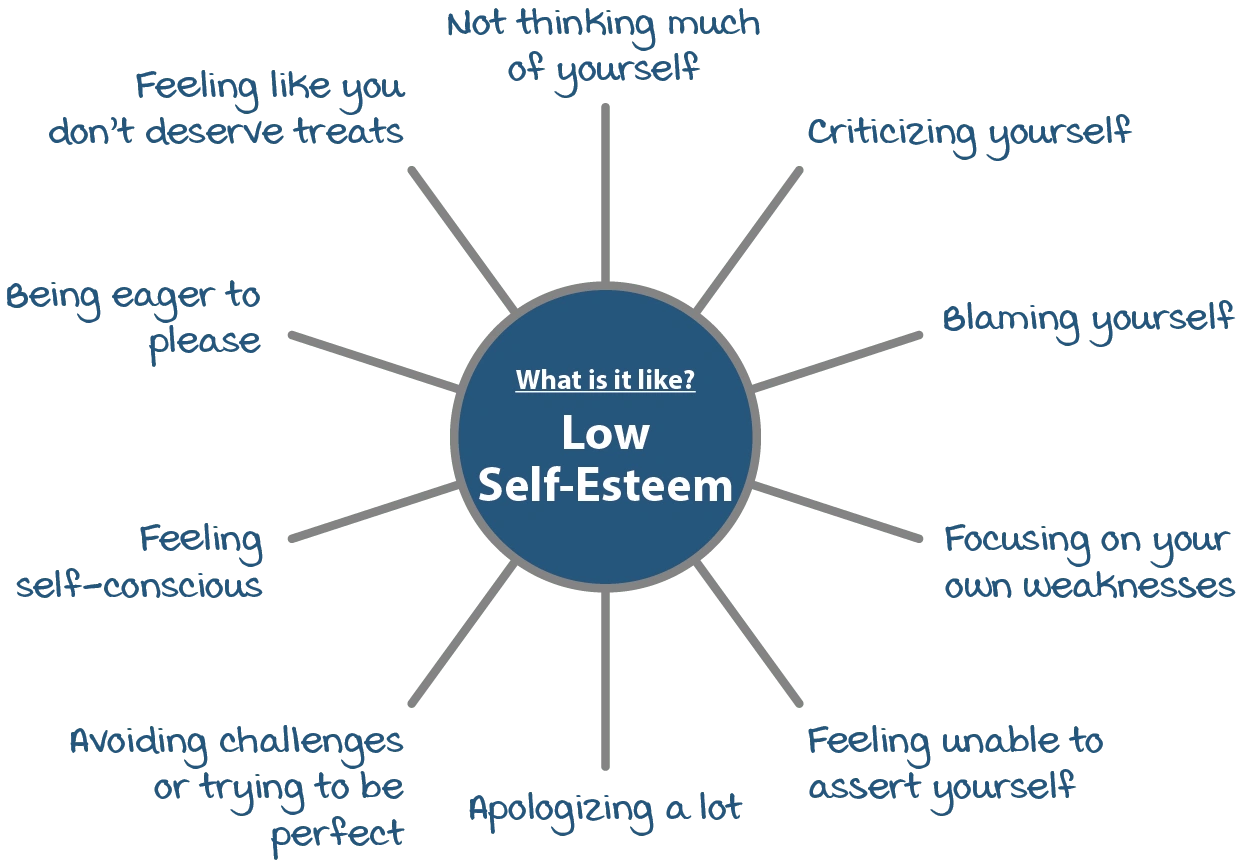
Image Source: Psychology Tools
I couldn’t figure out why hearing “no” destroyed me so completely. Other entrepreneurs seemed to bounce back from rejection like it was nothing. What was wrong with me? I needed to understand what was happening in my head before I could fix it.
Digging into this mess revealed something I didn’t expect. We’re actually neurologically wired to fear rejection. Social rejection activates the same brain regions as physical pain. I wasn’t being dramatic when rejections felt like physical attacks. My brain literally couldn’t tell the difference.
Looking back at my childhood, pieces started clicking together. Early experiences with rejection create templates for how we handle future setbacks. My fear wasn’t some character flaw, it came from deep evolutionary programming screaming that rejection meant danger. When I was little and felt left out or criticized, those moments carved pathways in my brain that still fired up decades later when business clients said no.
But here’s what really opened my eyes. I was tying my entire worth as a person to whether clients wanted to work with me. When someone declined my services, I heard “you’re not good enough” instead of “this isn’t the right fit for me right now.”
That realization changed everything for me. I started seeing rejection completely differently.
Each “no” was actually bringing me closer to “yes.” If new coaches typically close 20% of their prospects, then four rejections meant I was mathematically approaching success. During my coaching certification, they challenged us to collect 100 rejections. Sounds crazy, right? But something wild happened. The more I expected rejection, the more “yeses” started showing up.
Most rejections had nothing to do with me personally. People weren’t ready, didn’t have the budget, had other priorities. It wasn’t about my worth or abilities.
Understanding why rejection hurt so much freed me from taking every business decision as a personal judgment. I wasn’t broken or inadequate. I was just human.
Key Takeaways
Here are the essential insights from one mom entrepreneur’s journey to overcome rejection fear and build a thriving business:
• Reframe rejection as progress: With average 20-30% close rates, every “no” mathematically brings you closer to your next “yes”
• Separate business decisions from personal worth: Most rejections reflect timing, budget, or priorities, not your value as a person or entrepreneur
• Practice intentional exposure: Actively seeking 100 rejections during training built resilience and paradoxically led to more acceptances
• Apply the 24-hour rule: Wait a full day before responding to rejection to maintain professionalism and prevent emotional reactions
• Celebrate small wins consistently: Building confidence through daily achievements creates momentum that sustains you through inevitable setbacks
Fear of rejection is neurologically wired into us. The same brain regions activate for social rejection as physical pain. However, understanding this biological response empowers you to respond strategically rather than emotionally. Remember, rejection isn’t your enemy; it’s simply part of the entrepreneurial path leading to where you want to go.
FAQs
Q1. What are some effective strategies to overcome fear of rejection in business? To overcome fear of rejection in business, reframe each “no” as progress towards a “yes,” understanding that a 20-30% close rate is considered strong. Practice intentional exposure by seeking out rejections to build resilience. Implement a 24-hour rule before responding to rejections, and consistently celebrate small wins to build confidence.
Q2. How can understanding the root cause of rejection fear help entrepreneurs? Understanding that fear of rejection is neurologically wired and activates the same brain regions as physical pain can help entrepreneurs respond more strategically. This knowledge empowers them to separate business decisions from personal worth and view rejection as a normal part of the entrepreneurial journey rather than a reflection of their value.
Q3. What role does self-esteem play in overcoming fear of rejection? Self-esteem is crucial in overcoming fear of rejection. Building self-esteem and self-compassion involves changing how you perceive and talk to yourself, focusing more on your strengths and accomplishments. This helps in reframing rejection as a normal part of life and business, rather than a personal failure.
Q4. How can entrepreneurs maintain motivation in the face of repeated rejections? Entrepreneurs can maintain motivation by viewing rejection as temporary and part of the process. Stay determined and keep pursuing your aspirations. Use rejections as opportunities to revise your business strategy and enhance your product. Remember that success often comes with perseverance and time.
Q5. What mindset shifts can help in dealing with rejection more effectively? Key mindset shifts include: not taking rejection personally, recognizing that most rejections are due to external factors; viewing each “no” as bringing you closer to a “yes”; finding satisfaction when potential clients find help elsewhere; and using rejection as a learning opportunity to improve your approach or offerings.
Recent Comments